Home › Gravel-to-Asphalt Conversions
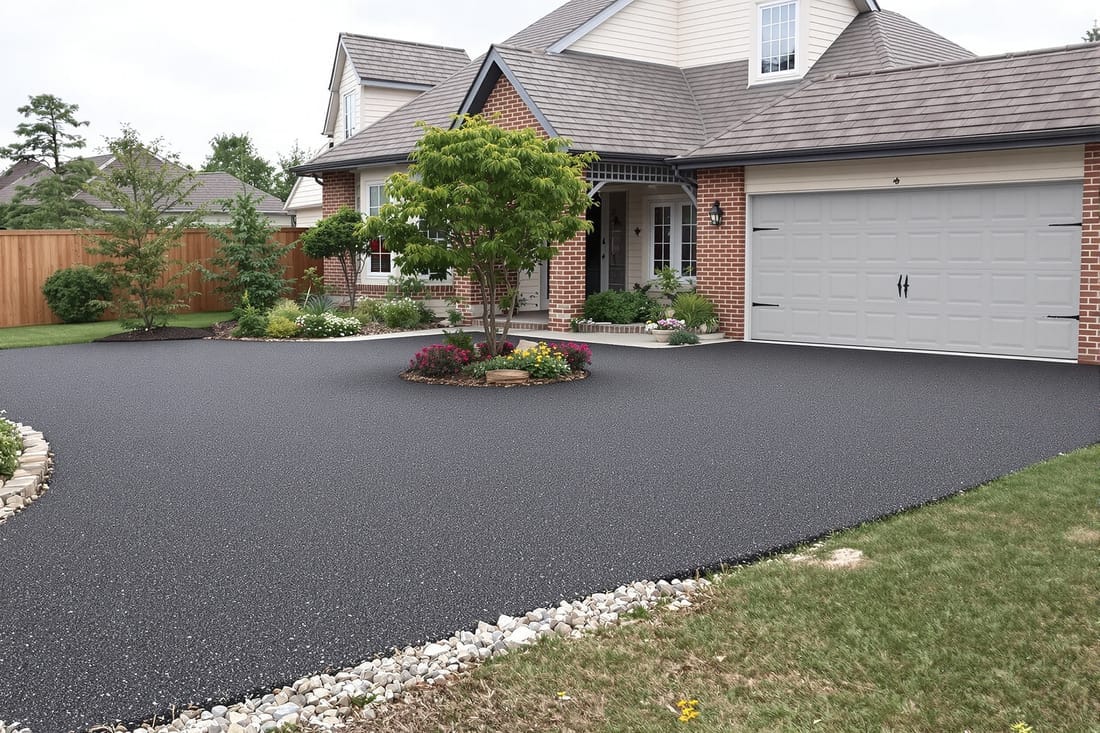
Turn muddy or dusty gravel into a clean, solid surface with gravel to asphalt driveway conversions in Fort Wayne, IN. We grade and compact the base, address drainage, then pave a smooth asphalt driveway that is easier to maintain and more attractive.
Precision Asphalt Fort Wayne provides professional gravel to asphalt driveway throughout Fort Wayne, IN, Indiana and the surrounding area. Our licensed, insured crew delivers safe, clean, on-time work with a free estimate before anything begins. Call (260) 408-6873 or request your free quote.
Gravel-to-Asphalt Driveways Built for Fort Wayne Conditions
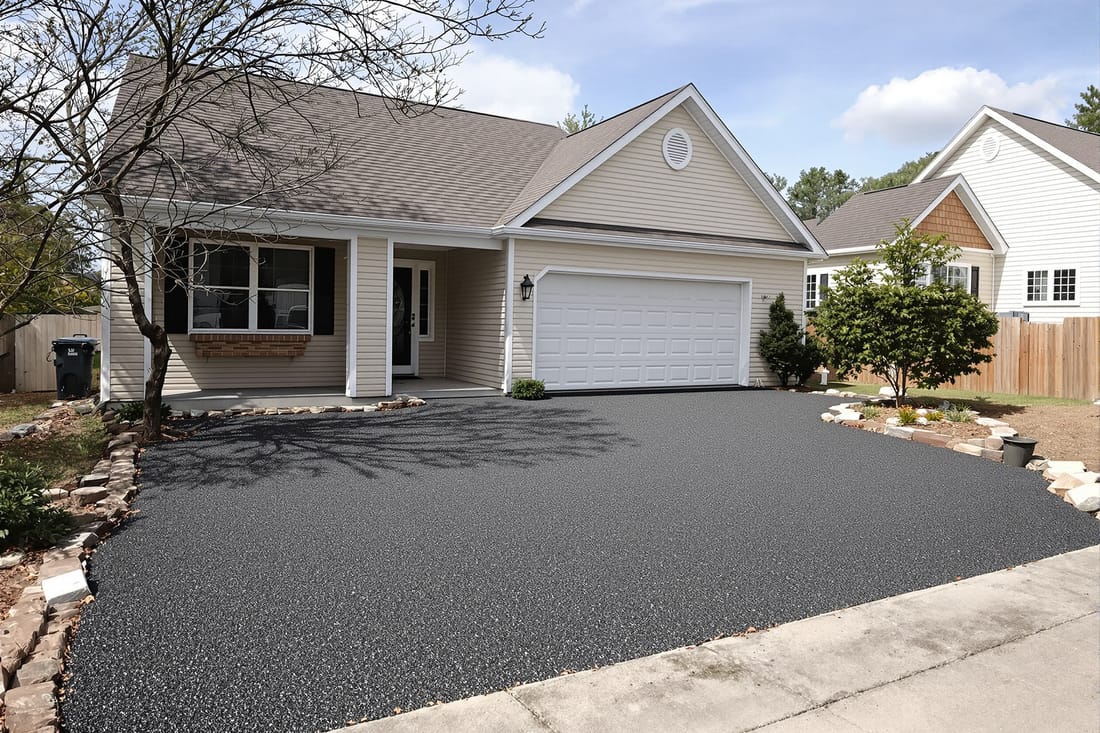
If you are tired of ruts, dust, and washouts on your gravel drive, converting to asphalt can make your property easier to live with and easier to maintain. Precision Asphalt Fort Wayne focuses on gravel-to-asphalt driveway projects in and around Fort Wayne, so we plan each job around our freeze-thaw cycles, clay-heavy soils, and snow removal realities.
Our goal is not just to cover gravel with blacktop. We build a pavement structure that will survive Indiana winters, spring thaws, and regular traffic without breaking apart. That starts with evaluating what you have now, how you use the driveway, and where the weak spots are. We look at drainage, base depth, soft spots, and how water moves during heavy rains, then design the asphalt section to match those real conditions instead of using a one-size-fits-all thickness.
Because Fort Wayne sees wide temperature swings and road salt use, we recommend asphalt mixes and installation methods that can flex with the seasons and stand up to plowing. When we meet on-site, we explain the tradeoffs between cost and longevity, so you can decide what level of upgrade makes sense for your property and budget.
What We Look At During Your On-Site Evaluation
A proper gravel-to-asphalt conversion starts with a detailed site check, not a quick look from the truck. Precision Asphalt Fort Wayne walks the full length of the driveway, checking for soft, pumping areas, standing water, and spots where your tires have created deep ruts.
We probe the existing gravel to see how thick and compacted it is, and whether there is a suitable base under it. Many older gravel drives in northeast Indiana sit on topsoil or mixed fill. If the base is not strong, new asphalt will mirror every weakness within a season or two. We also verify access for our equipment, overhead clearances, and any tight turns that may need widening.
Drainage is critical in our climate. We identify low spots that hold water after storms, areas where runoff from fields or rooftops crosses the drive, and locations where snow piles will sit all winter. If necessary, we plan for shallow swales, small culverts, or regrading shoulders to keep water off and away from the finished asphalt. During this meeting we also discuss how you use the driveway: daily vehicles, delivery trucks, RV or trailer parking, or farm equipment. That usage drives our base and asphalt thickness recommendations.
Step-by-Step: How We Convert Gravel Drives to Asphalt
Once the plan is set, Precision Asphalt Fort Wayne follows a clear process so you know what to expect each day of the project.
1. Prepping and stripping: We start by shaping the existing gravel using a grader or skid steer. Soft or organic material is removed. If there are sections that sink under the equipment, we undercut those areas and replace them with compactable stone.
2. Base building: On many Fort Wayne gravel driveways we need to add 4 to 8 inches of compacted aggregate to create a proper base. Commonly this is a graded limestone or similar material that locks together when compacted. We install it in layers, compacting each pass with a vibratory roller to reach a firm, uniform surface.
3. Fine grading and pitch: We adjust the slope so water sheds off the drive instead of running down the middle. In winter this makes plowing safer and reduces ice formation. Transitions at garages, barns, and roads are graded carefully so there is no abrupt lip.
4. Proof rolling: For longer or heavier-use drives, we often run a loaded truck or roller over the base and watch for movement. Any spots that flex or rut get corrected before we ever pave.
5. Asphalt paving: We typically install a binder course (a stronger, slightly coarser asphalt layer) followed by a surface course (a tighter, smoother layer). For light residential use, a single well-chosen layer may be enough, but for heavier traffic or long rural drives we recommend two lifts. Each lift is laid with a paver where access permits, then compacted with steel wheel and pneumatic rollers for density.
6. Edges and tie-ins: At garage floors, sidewalks, and city streets, we mill or hand-shape the edge so the new asphalt meets cleanly without a bump. Along the sides of the driveway we may create a small shoulder of compacted stone to support the asphalt edge and discourage cracking.
Design Choices: Thickness, Mix Types, and Layout Options
There is no single correct asphalt driveway design. Precision Asphalt Fort Wayne helps you pick the structure that fits your property and traffic.
Thickness: For most residential gravel to asphalt driveway conversions in Fort Wayne, we recommend a minimum of 3 inches of compacted asphalt over a well-built base. For longer drives that see propane trucks, delivery vehicles, or work trucks, 3.5 to 4 inches is more realistic. If you park RVs or trailers, we may suggest a thicker base or a two-lift asphalt system to spread the load.
Mix types: Local asphalt plants supply mixes tailored to Indiana Department of Transportation specs, and we select from those for your project. For the main driveway we often use a dense-graded surface mix that balances durability with appearance. If the drive ties into a public road, we may match the road mix for a smoother interface. In shaded or low-speed areas we can discuss finer or darker mixes that improve look, while still handling winter freeze and plow blades.
Layout details: Converting from gravel gives you a chance to correct long-standing annoyances. We can widen tight curves, add a hammerhead or parking spur, or soften steep entrances that scrape bumpers. We also talk through where you want your snow piled, and shape the asphalt and shoulders so plowing will not break edges or push water back toward the house.
Edge treatment: Asphalt edges can be left straight-cut for a clean look, but we strongly suggest compacted aggregate shoulders where possible. This helps support the pavement when tires run close to the edge, which is common on narrower rural drives.
What Affects Cost and Timeline in Fort Wayne
Every gravel-to-asphalt driveway project is different, and most of the cost is driven by work you cannot see once the job is done. Precision Asphalt Fort Wayne is up front about what moves the price and schedule so you can plan accordingly.
Base correction: If your existing gravel is thin, mixed with dirt, or sitting on soft subgrade, we need more excavation and stone. This is usually the largest variable in price but also the biggest factor in how long the driveway will last.
Driveway length and width: Long country lanes require more material and machine time, but straight runs are often more efficient than short, tight urban drives with many tie-ins. Extra width for parking or turnarounds adds cost but may save you from rutting the edges in the future.
Access and drainage work: Limited access that requires smaller machines, hauling stone a long distance, or adding culverts or ditch work will affect the quote. Correcting drainage up front is cheaper than repairing alligator cracking and potholes later.
Season and weather: In northeast Indiana, the main paving season runs from roughly April through early November, depending on temperatures. Asphalt needs a reasonably warm, dry surface and suitable air temps to compact properly. If nights are too cold, we may shorten daily production or split the job into more days to keep quality high. After paving, you can usually drive on the surface within 24 hours, but we may ask you to avoid tight turning or parking heavy trailers in one place for several days while the asphalt gains strength.
Maintenance, Expectations, and How to Get Started
A properly built asphalt driveway over a good base should give you many years of service, but it is not maintenance free. Precision Asphalt Fort Wayne walks you through realistic expectations for a gravel-to-asphalt conversion so you get the most from your investment.
First year: Some minor surface marks, especially from turning tires, are normal as the asphalt finishes curing. We suggest careful snow plowing with shoes on the blade or a rubber edge to avoid gouging. Avoid parking heavy trailers in the same spot for long periods during the first warm season.
Ongoing care: Keep edges supported with soil or stone so they do not break off, clear leaves and standing water, and avoid using harsh chemicals or sharp tools to chip ice. Sealcoating is often beneficial, but we usually recommend waiting at least 1 to 2 years before the first application so the pavement has time to cure and any initial settling is addressed.
Problem prevention: Many early problems come from drainage issues and overloaded thin sections. If you plan to change how you use the driveway, such as adding a camper pad or moving deliveries to a new area, tell us up front so we can design for that now. Our team can also advise on where to place downspouts or yard drains to keep water from repeatedly soaking one section of pavement.
If you are considering converting a gravel to asphalt driveway in the Fort Wayne area, the next step is a site visit. We inspect your existing drive, discuss options and budget, and provide a written scope that details base work, thicknesses, and any drainage improvements. That way you know exactly what is under your new asphalt, not just what it looks like on top.